
Chaplet of the Holy Face Rosary
Chaplet of The Holy Face Rosary
Many Catholics feel drawn to honor the Holy Face of Jesus in a simple, steady way. A Chaplet of the Holy Face Rosary can become a small companion for that desire—something you hold in your hands while your heart turns quietly toward the Lord. On this page, you will find a calm, practical walkthrough of how this chaplet can fit into ordinary days at home, at work, or in church.
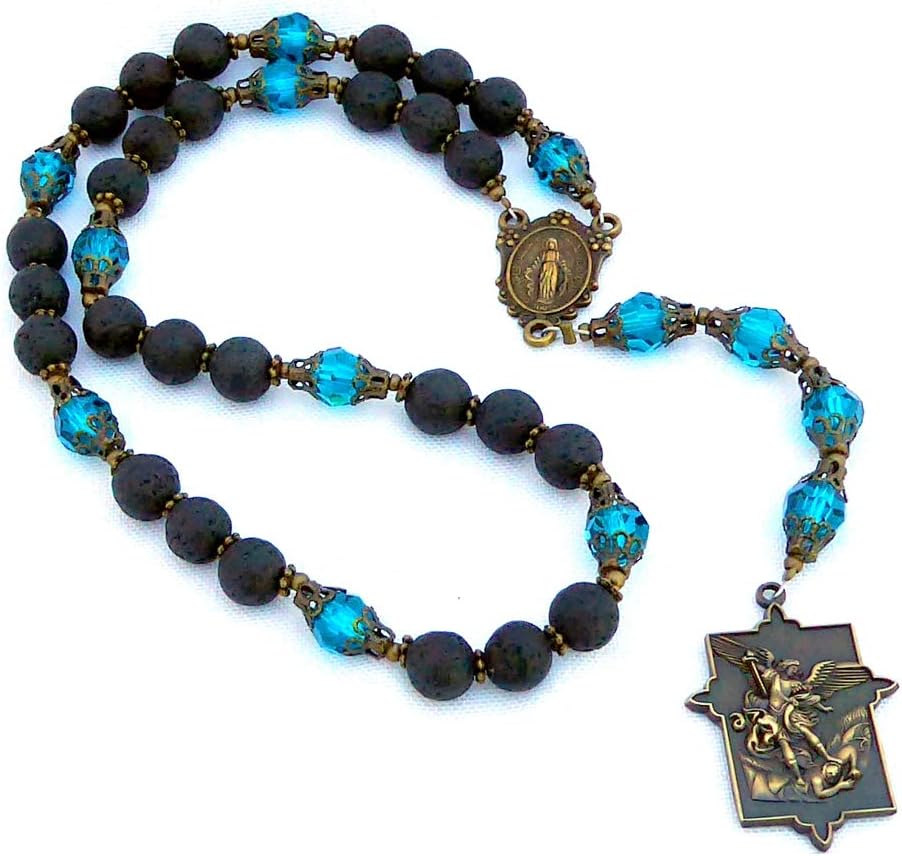
This page contains affiliate links. If you click and buy, I may earn a commission at no extra cost to you
I’d like to see itWhat this chaplet is really for
A Chaplet of the Holy Face Rosary is not just another religious item to store in a drawer. It is a way of making space, with your hands and your time, to look toward the face of Christ. For many of us, that means slowing down enough to whisper a few prayers before starting the day, or ending the evening with a short, honest conversation with the Lord.
The Holy Face devotion has roots in older Catholic tradition, connected especially with the Veil of Veronica and the desire to console the suffering face of Jesus. Even if we do not know every detail of its history, the heart of it is simple: to look at Him, and to let Him look at us, in whatever state we are in.
I first came across a Chaplet of the Holy Face Rosary during a difficult season at work. I was overwhelmed and often frustrated, and I felt like I was bringing that heaviness into my prayer. Holding the chaplet helped me stay present. Instead of trying to “perform” good prayer, I just moved from bead to bead, letting the words carry what I could not say very well on my own.
Over time, this chaplet became less of a “special devotion” and more of a quiet thread woven into ordinary days: a few beads prayed in the car before going into the office, a short decade while waiting in a parking lot, or a slow, full chaplet on a quiet Sunday afternoon.
Understanding the Chaplet of the Holy Face Rosary
The structure of a Chaplet of the Holy Face Rosary can vary slightly from one design to another, but the basic idea is consistent: a cross or crucifix, a medal of the Holy Face, and a series of beads grouped for specific prayers. Unlike a standard five-decade rosary, this chaplet is usually shorter and focused on particular intentions related to the Holy Face of Jesus.
When I first picked up my chaplet, I was relieved to realize that I did not need to “master” a complex formula on day one. I began with the simplest pattern I could remember and let the prayers deepen slowly, almost the way a familiar path becomes clearer the more you walk it.
Typical elements you might find
- A small crucifix that reminds you of the suffering and love of Christ.
- A medal or image of the Holy Face, usually near the center of the chaplet.
- Beads grouped in sets for repeated prayers, often invoking the Holy Name of Jesus, acts of reparation, or prayers of trust.
- A sturdy chain or cord that can endure daily use in pockets, purses, or backpacks.
These physical details may seem simple, but they matter. When you are tired or distracted, feeling the beads under your fingers can be enough to keep you anchored in prayer a little longer, even when your thoughts wander.
How to pray with a Chaplet of the Holy Face Rosary in everyday life
There are many written guides on how to pray the Chaplet of the Holy Face Rosary, and they are helpful. But in practice, what often matters most is finding a rhythm that you can realistically live with. A long, complicated routine can feel beautiful on a retreat, but hard to sustain during a busy workweek or with family responsibilities.
Simple ways to begin
- Start with time, not length. Instead of promising a full chaplet every day, you might begin with five or ten quiet minutes, seeing how far you naturally go.
- Link it to daily habits. Some people slide the chaplet into their hand during morning coffee, a lunch break, or right before bed. Attaching it to an existing habit can make it easier to remember.
- Accept distractions calmly. Thoughts will wander. When you notice it, gently return to the next bead without judging yourself.
- Pray slowly. There is no prize for rushing. A slow, honest decade can be more nourishing than racing through a full set of prayers you barely notice.
One practical routine that has helped me is keeping the Chaplet of the Holy Face Rosary near my keys. When I reach for them in the morning, I feel the chaplet as well. That simple contact reminds me to pause, make the Sign of the Cross, and offer at least a short prayer before stepping into the day.
On tougher days, I sometimes sit in the car outside the house before going in, holding the chaplet for a minute or two. I do not always say every formal prayer. Sometimes I simply say, “Lord, you see me,” and rest there on one bead, letting my breathing slow down before I walk inside.
Design details that support prayer
While the spiritual meaning is what truly matters, the practical design of a Chaplet of the Holy Face Rosary can gently support or distract from prayer. When choosing one, it may help to notice not just how it looks, but also how it feels and holds up under real use.
Things many people quietly appreciate
- Clear, distinct beads that are easy to feel without looking, especially during prayer in the dark or in a quiet church.
- A readable Holy Face medal that invites you to pause and reflect when your thumb rests on it.
- Durable links or cord that can handle being kept in a pocket, purse, or jacket without falling apart.
- A comfortable weight—neither so heavy that it feels cumbersome, nor so light that it feels fragile.
My own Chaplet of the Holy Face Rosary shows small signs of wear now, especially on the centerpiece. The metal has softened a little, and the image is not as crisp as the day I received it. Oddly, I find that comforting. Those marks remind me of quiet mornings in adoration, restless nights sending wordless prayers, and slow walks where the beads turned in my hand while I tried to sort out tangled thoughts.
Over time, a chaplet can begin to feel almost like a shared history between you and God: not because anything dramatic happened, but because it has quietly been there through joys, frustrations, and ordinary days that might otherwise blur together.
Additional views of a Chaplet of the Holy Face Rosary
Seeing the chaplet from different angles can help you imagine how it might fit into your daily routines—held in your hand during a walk, resting on a bedside table, or tucked into a small pocket in your bag.


Fitting this chaplet into family and parish life
A Chaplet of the Holy Face Rosary can quietly find its place not only in personal prayer, but also in family and parish settings. Unlike more formal devotions that require books or printed guides, a chaplet can be shared out loud with simple repetition and gentle pacing.
In some families, one person leads the prayers while others answer, especially on evenings when everyone feels weighed down by the day. The words themselves may be familiar, but the focus on the Holy Face gives a particular tone—almost like standing together before a beloved image in a church and letting the silence say what words cannot.
I remember one quiet evening when a small group of us stayed after weekday Mass. Someone took out a Chaplet of the Holy Face Rosary and simply asked, “Would anyone like to stay and pray this with me?” A few of us did. There was nothing flashy about it: no speeches, no detailed explanations. Just a circle of people slowly moving through the beads together. When we finished, we did not feel the need to talk much. We left the church in an ordinary way, but with a sense that we had done something gentle and good together.
In a parish setting, the chaplet can be especially meaningful during times of special intention—before major feasts, during Lent, or on days when the community is carrying particular burdens. But it can also simply be part of the “quiet background” of parish life: something a few people pray before Mass, or a small devotion someone offers in the adoration chapel when the church is empty.
Chaplet of the Holy Face Rosary – Questions & Answers
1. What is the main difference between a Chaplet of the Holy Face Rosary and a regular rosary?
A regular five-decade rosary is structured around the mysteries of the life of Jesus and Mary. A Chaplet of the Holy Face Rosary, on the other hand, is focused more specifically on honoring the Holy Face of Jesus, offering reparation, and placing trust in His presence. The number and grouping of beads are usually different, and the prayers are often shorter and more repetitive, which can be helpful when your mind feels crowded or tired.
2. Do I need a special booklet to pray this chaplet correctly?
A booklet or printed guide can be very helpful, especially at the beginning, but it is not absolutely required. Many people start with a simple pattern of short prayers on each bead and then learn the fuller devotion slowly over time. If you are unsure, you might begin by offering simple invocations like “Lord Jesus, have mercy on us” on each bead, asking the Holy Spirit to guide you quietly into a deeper understanding as you go.
3. Is it okay to pray the Chaplet of the Holy Face Rosary even if my mind is distracted or my faith feels weak?
Yes. Many of us pray this chaplet precisely when we feel distracted, low, or unsure of what to say to God. Moving from bead to bead can give structure to prayer when our feelings are scattered. You do not need to feel especially holy or focused to hold the chaplet. Simply showing up, even with a tired mind, is already a quiet act of faith.
4. How often do people usually pray this chaplet?
There is no single rule. Some Catholics pray the Chaplet of the Holy Face Rosary daily, others reserve it for particular days (such as Tuesdays, which are often associated with the Holy Face devotion), and some use it more occasionally during stressful seasons or special intentions. I have gone through periods of praying it every day, and other times when I return to it mainly in times of need. Both patterns have helped in different ways.
5. Can I give a Chaplet of the Holy Face Rosary as a gift?
Yes, many people offer this chaplet as a quiet, meaningful gift—especially to someone who is going through a difficult time, or who loves Eucharistic adoration and silent prayer. If you choose to do that, it can be considerate to include a short, printed explanation of the devotion, along with a personal note. Letting the person know that you are praying for them, and perhaps even offering to pray the chaplet with them once, can mean more than any words printed on a card.